

If you discover a hedgehog in your garden or in nature, this is usually a good sign. Hedgehogs are nocturnal wild animals and are often found in natural gardens, parks or on the edges of forests. Not every hedgehog needs help.
First observe the hedgehog from a distance. A healthy hedgehog is usually:
However, hedgehogs that are active during the day, very small young animals or obviously weakened animals may need help.
If you are unsure, please contact us or refer to the following pages for information on the correct procedure.
Click here to see the 360 degree photo
Igelhilfe Schweiz runs a hedgehog sanctuary in Niedergösgen (Canton Solothurn). Injured, sick or weakened hedgehogs are taken in here, cared for and – if possible – released back into the wild.
The station was specially designed to meet the needs of hedgehogs. The focus is on peace, hygiene and caring for the animals with as little stress as possible. The aim is to provide each hedgehog with a safe environment in which it can recover and regain its strength.
The hedgehogs are housed in specially equipped hedgehog rooms. These are constructed in a similar way to terrariums and allow a controlled view through a glass pane without disturbing the animals unnecessarily.
Each hedgehog is given its own area with a small house as a retreat. Hedgehogs are solitary creatures and need peace and quiet and distance from other animals. That is why we provide each hedgehog with its own “den”.
The rooms are designed in such a way that they are easy to clean. This allows high hygiene standards to be maintained and protects the animals from parasites such as mites or other insects.
Click here to see the 360 degree photo
A separate quarantine station is available for hedgehogs that require more intensive care or suffer from infectious diseases.
Here, the animals can be observed particularly closely and given medical care without endangering other hedgehogs. This spatial separation is important to protect the health of all the animals in the station.
Click here to see the 360 degree photo
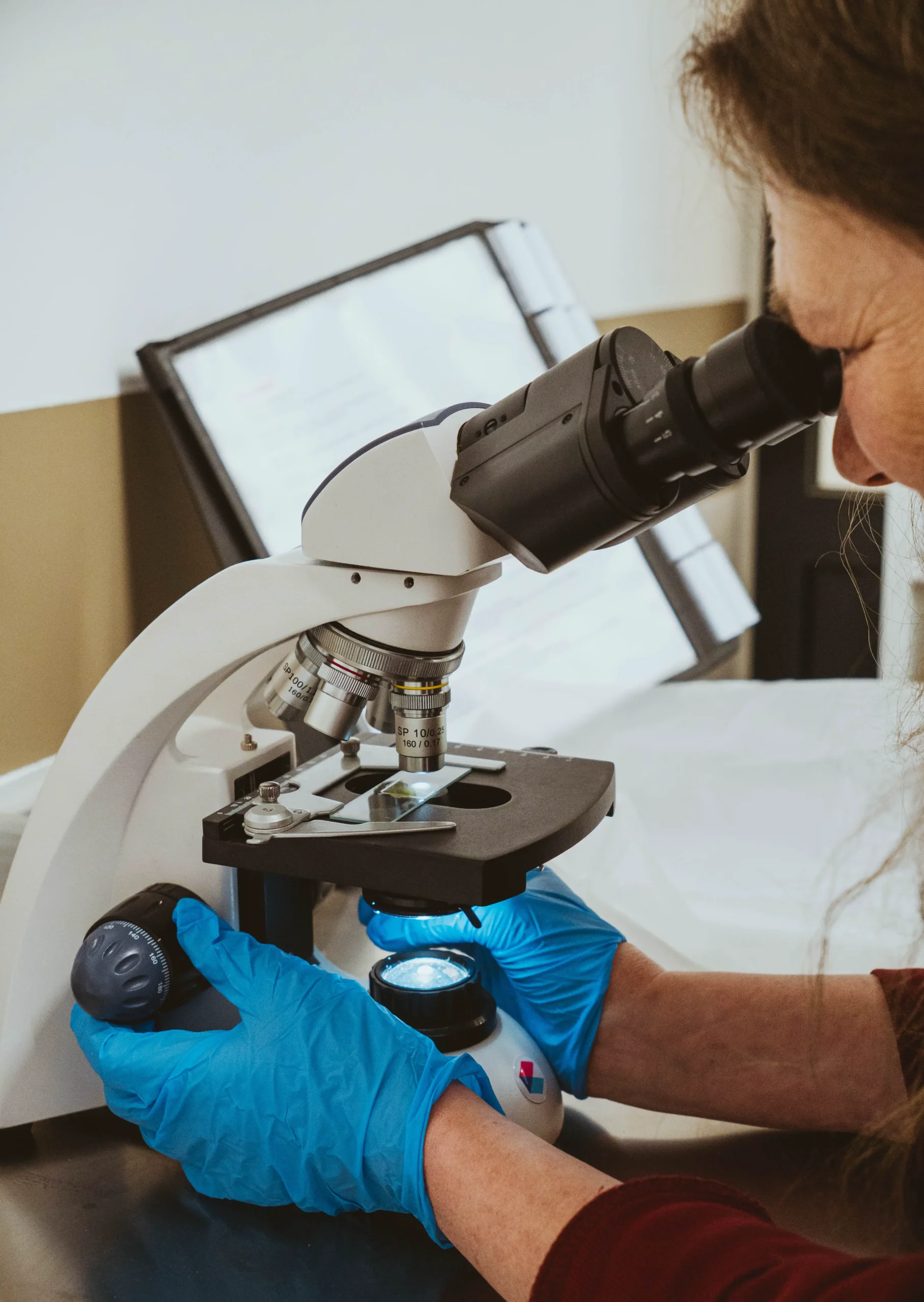
Medical examinations and treatments are carried out in the hedgehog laboratory. This includes treating injuries that are often caused by garden machinery such as lawnmowers or trimmers.
The equipment includes, among other things:
Thanks to modern technology, images from the microscope can be transmitted directly to our vet to check diagnoses or coordinate treatments.
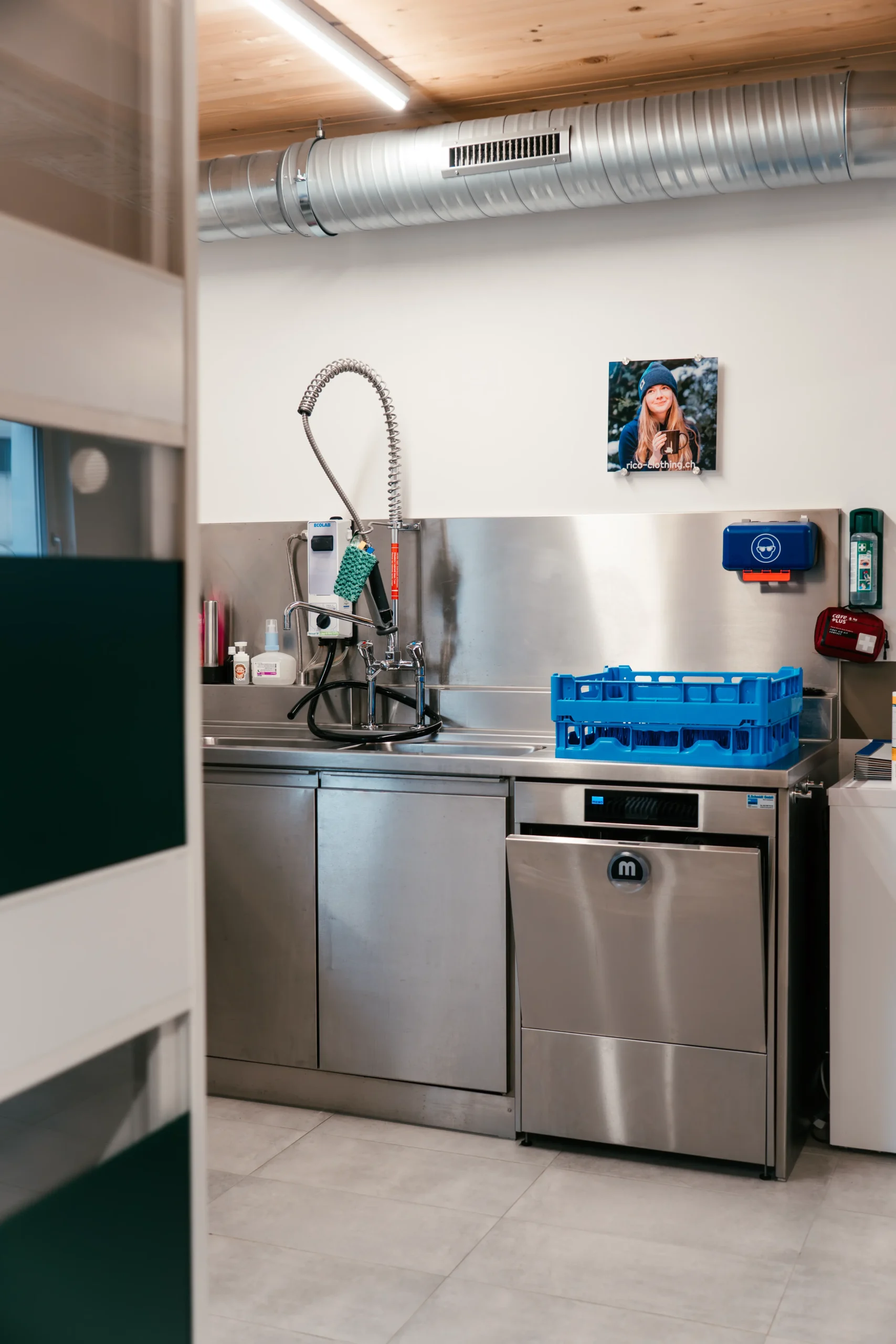
The food is prepared in a specially equipped hedgehog kitchen. This is comparable to a professional catering kitchen made of chrome steel and has an industrial dishwasher.
Hygiene is the top priority here. Clean work surfaces and careful cleaning of all utensils are important to prevent diseases and protect the health of the animals.
The veterinary office also regularly confirms the high hygiene standards of the facility.
Click here to see the 360 degree photo
In the reception area, all important information about the recorded hedgehogs is recorded. This is where:
Every hedgehog is carefully examined and registered on arrival. This includes weight, state of health and feeding behavior. An initial health check is then carried out before the hedgehog moves into its own hedgehog room.
Accurate documentation helps us to track the progress of care and provide each animal with the best possible care.
Click here to see the 360 degree photo
A separate washing area is used for the hygienic cleaning of all textiles such as blankets, cloths and work clothing.
Clean materials are an important part of care to prevent disease and provide the hedgehogs with as healthy an environment as possible.
The most important task of the hedgehog station is the admission and care of injured, sick or helpless hedgehogs.
Many of the animals arrive at the station weakened, malnourished or with injuries. The aim of the care is to stabilize their state of health and gradually prepare them for a life in the wild.
Our work includes, among other things:
Newborns or young hoglets that have lost their mother require intensive care. These young animals are raised at the station with a great deal of patience and experience.
Newly arrived hedgehogs receive an initial medical examination and are placed in a warm and safe environment so that their condition can stabilize.
Each hedgehog is given suitable and quiet accommodation that meets its needs.
The age of the hedgehogs is determined through examinations so that care and nutrition can be adapted accordingly.
Regular weight checks help to monitor the animals’ state of health. Each hedgehog is documented so that its development can be closely monitored.
The right diet plays an important role in the animals’ recovery. At the station, attention is paid to balanced and appropriate feeding.
Depending on their age or state of health, some hedgehogs need additional support with personal hygiene or excretion.

In addition to the direct care of hedgehogs, Igelhilfe Schweiz is also committed to providing information and education.
Many dangers for hedgehogs arise from human activities – for example, garden machinery, traffic or the loss of natural habitats. By providing information and advice, we want to help make gardens and green spaces more hedgehog-friendly.
Interested visitors are welcome at our hedgehog station. To ensure that we have enough time for questions and insights into our work, please make an appointment in advance.
If there is a large number of visitors, guided tours can also take place in small groups.
You can find insights into our work and the care of the hedgehogs in our video gallery.
If a hedgehog in need of help is found, it should be placed in expert hands as quickly as possible.
After admission, the animal’s condition is carefully assessed. Depending on the situation:
Caring for hedgehogs requires experience and suitable conditions. It is therefore important to have injured or weakened animals professionally cared for.
No. Hedgehogs are wild animals and generally manage well on their own. Only sick, injured or weakened animals need support.
Occasionally, cat food or special hedgehog food can be offered. However, milk is unsuitable and can be dangerous for hedgehogs.
Hedgehogs are mainly nocturnal and usually start foraging at dusk.
A near-natural garden with foliage, shrubs and hiding places offers hedgehogs a valuable habitat.
On this website you will find numerous tips on hedgehog protection, hedgehog-friendly gardens and the promotion of biodiversity.
Phone German
056 552 16 02
Phone French
056 552 06 30
Phone Italian
056 552 06 31
Office hours
Monday – Friday
10:00 – 12:00
Privacy Policy
Privacy policy
created by Nekosys