
The hedgehog is one of the best-known wild animals in Switzerland and often lives close to humans – for example in gardens, parks and green spaces. The protection of hedgehogs depends heavily on the quality of our landscape and existing habitats.
On this website, Igelhilfe Schweiz provides information about hedgehogs, their habitat and ways to protect this species. The aim is to make knowledge accessible and to support people in creating hedgehog-friendly habitats.
The European brown-breasted hedgehog(Erinaceus europaeus) is native to Switzerland and reaches a body length of around 20 to 30 cm and a weight of approximately 800 to 1500 g, depending on the season and food supply.
However, populations have declined significantly in recent decades. Studies show that in some regions the hedgehog population has declined by around 40 %.
The most important causes include
Protecting the hedgehog therefore always means protecting biodiversity as a whole.
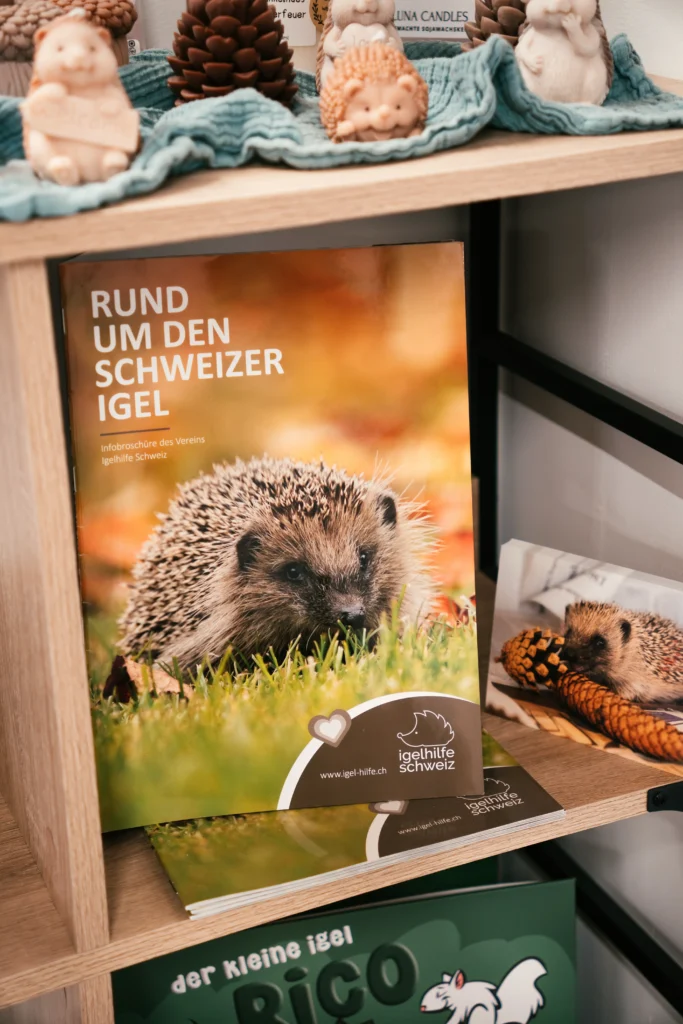
The brown-breasted hedgehog is widespread in Switzerland and prefers to live in structurally rich landscapes with hedges, shrubs, meadows and gardens.
Hedgehogs are particularly common:
Hedgehogs are important components of the ecosystem. They feed mainly on insects, beetles, larvae and other invertebrates and thus contribute to the natural regulation of many insect populations.
Hedgehogs are mainly nocturnal loners. During the day, they hide in piles of leaves, hedges or other sheltered places.
Typical characteristics of the lifestyle:
Hedgehogs hibernate during the winter. They build a well-insulated nest made of leaves and plant material.
The living conditions for hedgehogs have changed considerably in recent decades. Many dangers arise directly or indirectly from human activities.
The most common dangers include
These factors result in the loss or separation of important habitats.
Many hedgehogs now live in residential areas. Near-natural gardens can therefore play an important role in protecting these animals.
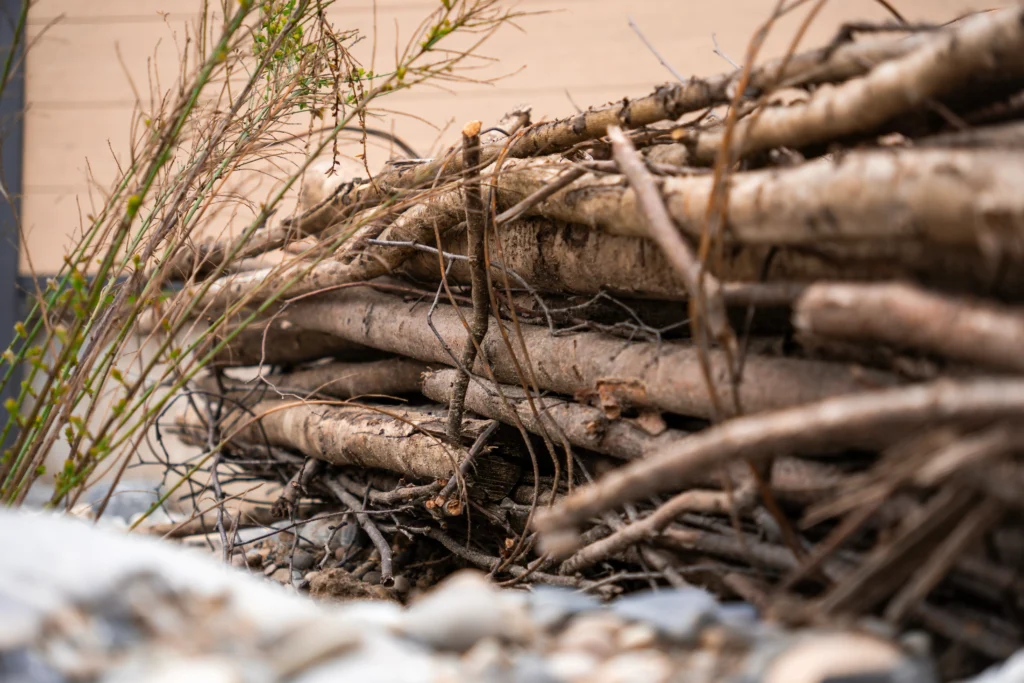
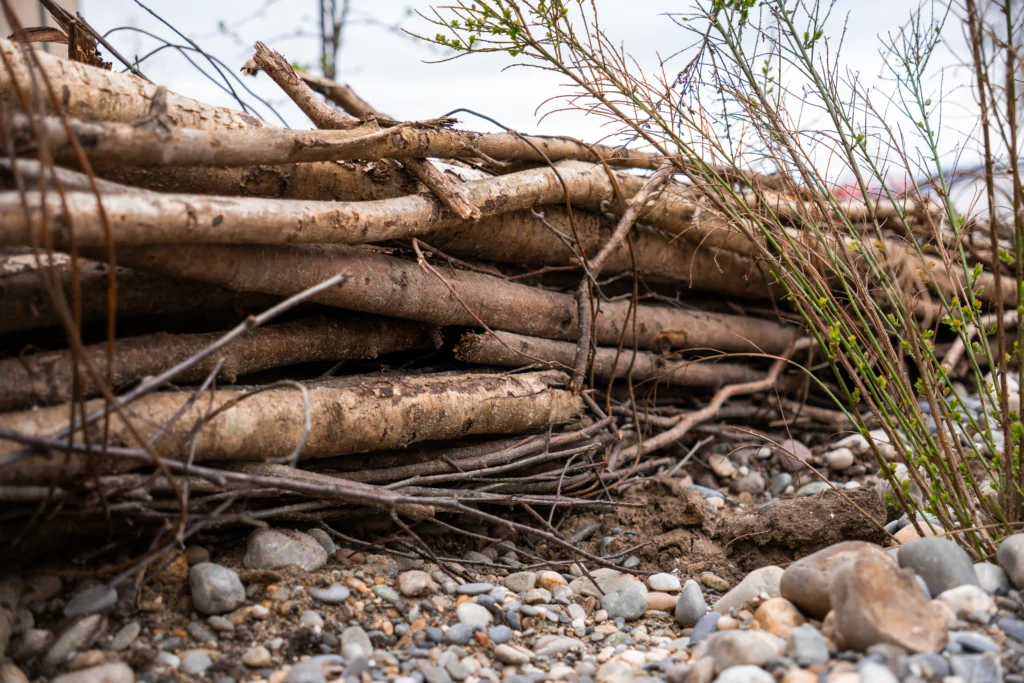
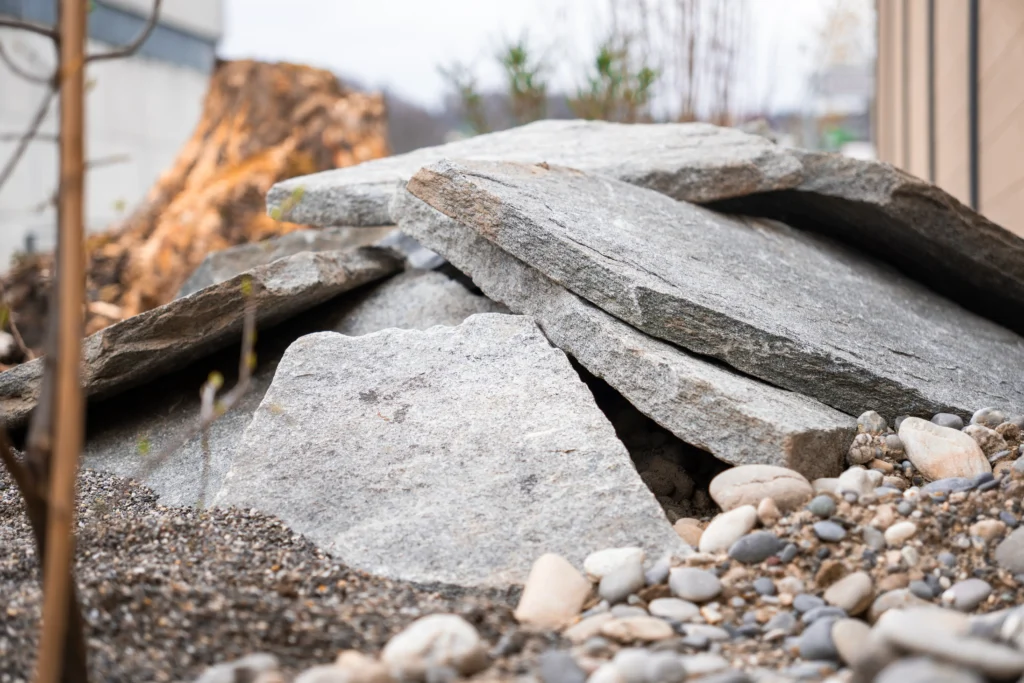
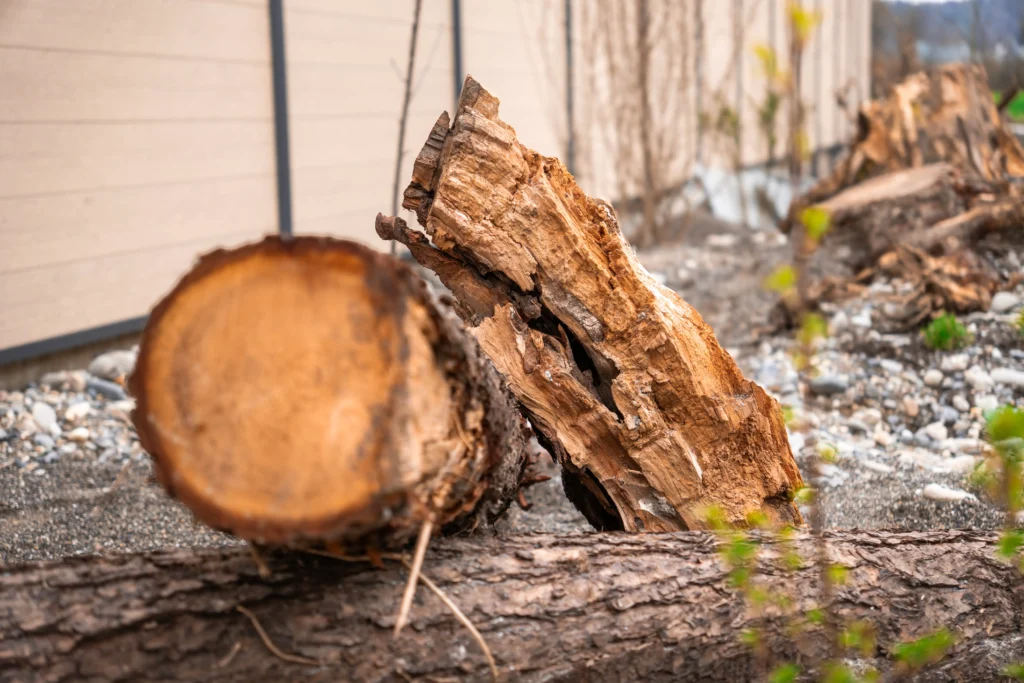
A hedgehog-friendly garden can include, for example:
Such structures not only support hedgehogs, but also many other animal species such as insects, birds and amphibians.
Hedgehogs are widespread in many regions of Switzerland and often live close to humans – for example in gardens, parks, green spaces or on the edges of forests. However, the living conditions and dangers for hedgehogs can vary from region to region. Landscape, settlement structure and the design of green spaces have a direct influence on the habitat of these animals.
For this reason, Igelhilfe Schweiz provides information pages for various cantons on this website. These pages bundle knowledge, information and tips on hedgehog protection and the promotion of near-natural habitats.
The basic information on hedgehog conservation is similar in many parts of Switzerland. For this reason, the regional pages currently contain mainly general information on hedgehog-friendly gardens, habitats and biodiversity. The aim is to make the topic of hedgehog conservation visible at a regional level and to raise awareness of near-natural habitats among people in the various cantons.
On the regional pages you will find, among other things:
These pages provide information about hedgehog protection and biodiversity in the respective canton and are intended to make knowledge about the protection of this species accessible.
Information on local projects, habitats or initiatives can supplement these pages in future.
Phone German
056 552 16 02
Phone French
056 552 06 30
Phone Italian
056 552 06 31
Office hours
Monday – Friday
10:00 – 12:00
Privacy Policy
Privacy policy
created by Nekosys